
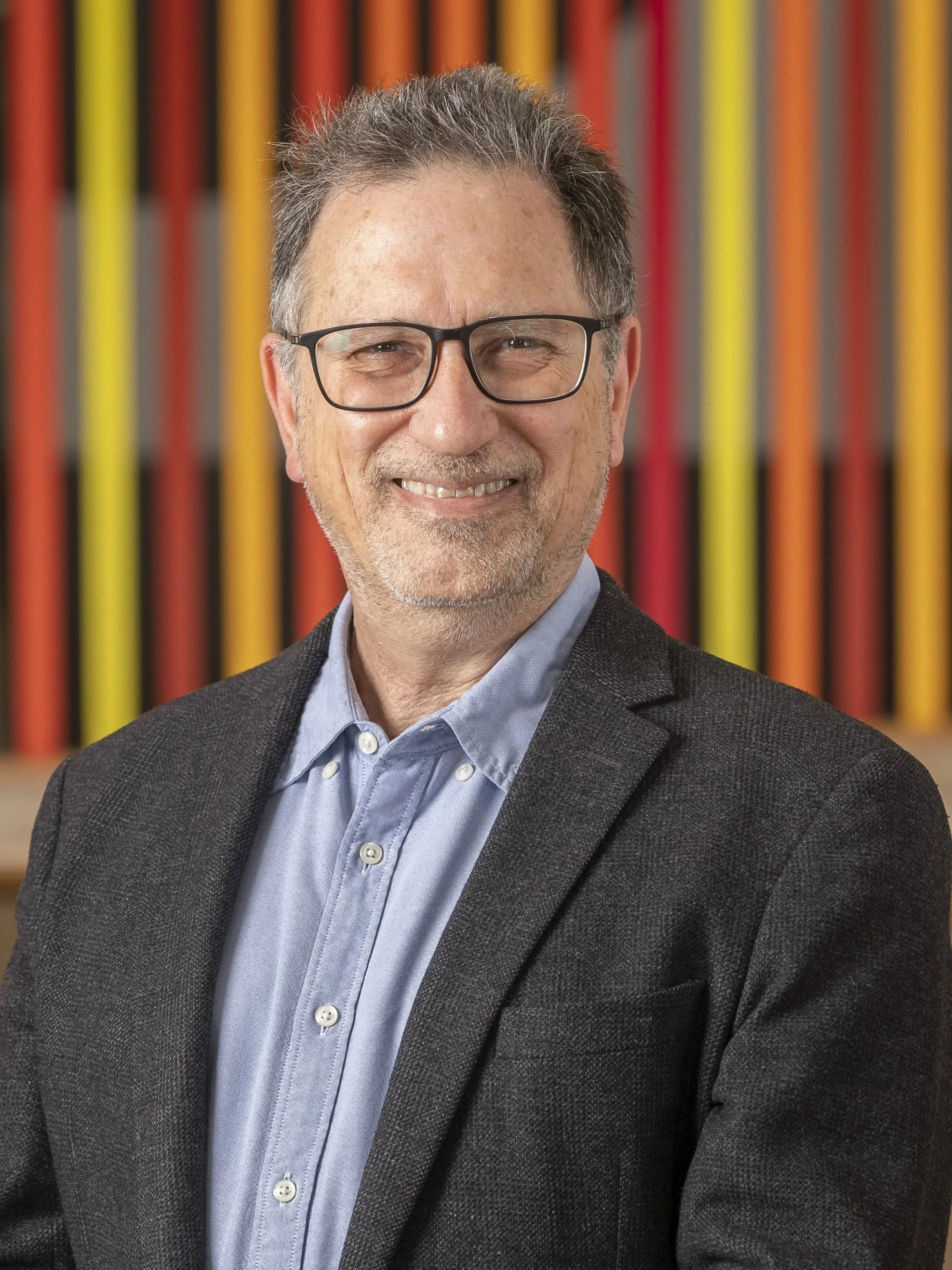
A/Prof Freddy Sitas
University of New South Wales, NSW
A/Prof Freddy Sitas is Chief Operating Officer at the International Centre for Future Health Systems and Adjunct Associate Professor at the School of Population Health, University of New South Wales. His scientific interests are the study of infection, smoking and their relationship to cancer and premature disease. These two exposures account for half the cancers worldwide and there are proven pathways to prevent these.
He has written extensively on the role Helicobacter pylori, HIV, HPV and KSHV/HHV-8 play in cancer causation.
As regards smoking, in collaboration with Professors Richard Peto and Debbie Bradshaw, he led the effort in 1997 to redesign the South African national death certificate to introduce questions on smoking. This world-first is now one of the largest studies on tobacco-attributed mortality in the world and was recognised as a cost-effective way to monitor the smoking epidemic internationally - this method is now being considered in some Australian jurisdictions.
He was a member of the Clinical Oncological Society of Australia (COSA) working group on smoking cessation in cancer patients (2018-20), chairing the efficacy section. This work led to efforts by the State-based NSW Cancer Institute to implement smoking cessation among people diagnosed with cancer in New South Wales. As Editor-in-Chief of Cancer Epidemiology (Elsevier), he edited a special issue on tobacco cessation after cancer, highlighting the role ‘dose’ plays on outcomes. His contribution on smoking, e-cigarettes, COVID-19 and emerging respiratory pandemics led to a greater appreciation of e-cigarette and tobacco control in the era of these pandemics. He was recently (2023-5) a member of the COSA working group on e-cigarettes and cancer. The recent report showing e-cigarettes are likely to cause lung and oral cancer has generated significant worldwide attention.
He was awarded a lifetime achievement fellowship by the Australasian Epidemiology Association in 2025, and in 2013, the Oettlè Memorial Medal, for his contribution to international cancer research.